📖 How to find hidden creative opportunities in Toronto & Vancouver
TL;DR: Finding great writing and art opportunities isn’t as easy as Googling. Many of the best exhibits, submission calls, and workshops are hidden from search engines and require some insider knowledge to uncover.
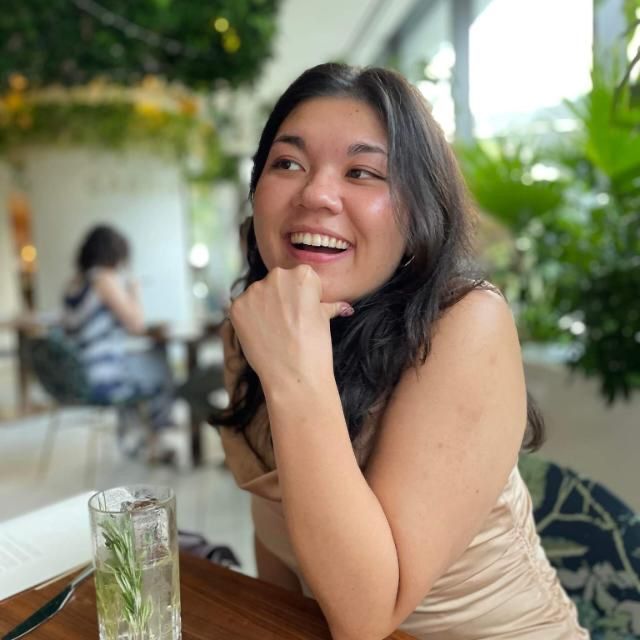
We spoke with Nat, a Vancouver-based writer & artist, who struggled to find her creative community. Here’s what she learned—and how you can discover hidden opportunities in Toronto & Vancouver.
📥 Bonus: To help creatives like you stay organized, we’ve created a free submission tracking spreadsheet—based on the exact system Nat used—to help you find, assess, and apply for the best opportunities. Download it here
"I felt completely alienated as a writer."
When Nat got serious about writing and art, she expected to find clear pathways to publish her work, submit to galleries, and connect with other creatives. Instead, she ran into dead ends.
"I went to Google and tried to find writing workshops and classes. A few were great, but many were horrible. Google was filled with predatory websites where they said, ‘Submit to us, and we’ll assess you for an anthology,’ but these sites were sketchy. People could lose their rights and privileges as a writer."
Beyond that, writing communities seemed scattered. While Reddit helped her find lists of places to submit her work, it lacked the sense of mentorship and connection she was craving.
"I didn’t know how to start being a writer. I just started writing online, and now I have stories floating around that I can’t even scrub off the internet. I had no idea where I should be submitting my work, and I didn’t realize that some places could even limit my ability to publish elsewhere."
For art, it was the same struggle. Nat wanted to submit her artwork to local galleries, but Google didn’t reveal much about small indie spaces in Vancouver—only larger, well-known museums.
"Breaking into the Vancouver arts scene was really tough. The best way to find real opportunities wasn’t through Google but through Instagram. If I wasn’t following the right people or getting the right posts shown to me, I wouldn’t even know what was going on."
So she stopped relying on search engines and started using more strategic methods to reverse-engineer her way into the creative world.
🔍 The real problem: why creative opportunities are hard to find
It turns out, the best writing and art opportunities don’t live in one place.
🚫 Google is full of scams or outdated resources.
Nat’s experience with sketchy writing contests isn’t unique—many emerging creatives struggle to filter through pay-to-play competitions and misleading “opportunities.”
📅 Event platforms prioritize large, commercial events.
Indie galleries, artist-run spaces, and grassroots writing workshops rarely make it onto Eventbrite or other big event sites. They rely on word-of-mouth, Instagram, and niche community boards.
📱 Social media algorithms don’t always work in your favor.
Unless you’re actively engaging with local artists, writers, and collectives, you won’t see posts about submission calls and pop-ups in your feed.
The real creative scene lives in smaller pockets—and the key is knowing where to look.
📍 Where to find hidden creative opportunities in Toronto & Vancouver
1️⃣ Follow indie creatives & galleries on Instagram
"I realized that Instagram was the best way to find out about creative events, but only if I was following the right people. Once I started tracking local artists, I started getting posts about submission calls, gallery pop-ups, and niche workshops."
The problem? If you’re not already following these accounts, you won’t see these events in your feed.
💡 Action Step:
- Follow local artists, indie galleries, and writing collectives to see more hidden events.
- Engage with their posts—the more you interact, the more Instagram will recommend similar opportunities.
2️⃣ Check local community spaces
"The best events aren’t always posted online."
Many community spaces, coffee shops, bookstores, and artist-run collectives hang local art, host workshops, readings, and submission calls. They just don’t always advertise them widely.
📍 Toronto:
- Art Metropole – Great for contemporary art publications & exhibitions.
- Balfour Books – Often features author readings & literary events.
- Junction Reads – A local literary reading series & writing group.
📍 Vancouver:
- Massy Books – An indie bookstore that hosts poetry nights & writer meetups.
- Slice of Life Gallery – A space for emerging artists to exhibit work.
- The Arts Factory – A creative hub with frequent art showcases.
💡 Action Step:
- Visit these spaces & check their event boards.
- Sign up for their newsletters or follow their social media to stay updated.
3️⃣ Research where successful artists & writers publish
"Instead of blindly searching, I started looking at where my favourite artists and writers had submitted their work, then followed their path."
Many writers and artists list their exhibitions, publications, or residencies on their CVs or websites. This information is a goldmine for finding legit opportunities.
💡 Action Step:
- Look up your favourite local creatives and see where they’ve exhibited or published.
- Research those spaces & apply to similar opportunities.
📊 Want to Stay on Top of Creative Opportunities?
One of the ways Nat stayed on top of everything she was learning on instagram? Tracking everything.
"Researching literary magazines and submission windows is like a part-time job. There are a ton of publishing opportunities for emerging writers, but most people don’t even know where to look."
To stay organized, she built a simple spreadsheet to:
✅ Track deadlines for contests, exhibits & writing submissions
✅ Organize opportunities by category & location
✅ Plan ahead instead of rushing last-minute
Now, we’re sharing a free version of this tracker so you can do the same!
📥 Get the free tracking sheet here
💡 How the Tracker Helps
The submission tracker is a Google Sheets template designed to help you stay organized and ahead of deadlines. It comes pre-filled with categories for different types of opportunities—writing, art exhibits, contests, and workshops—so you can easily log and track submissions without starting from scratch.
One of the most valuable columns is the tier column, which allows you to rank opportunities based on word-of-mouth recommendations, vetted Reddit reviews, and verified past winners. This helps you filter out unreliable submission calls and ensures you’re applying to legitimate, worthwhile opportunities. Though keep in mind, this does require some upfront research when adding new submissions to the spreadsheet. Nat has provided tier scores for 35 mags from her personal tracker for us to use!
The tracker also allows for sorting and filtering options, enabling you to categorize submissions by type, city, or due date. If you're balancing multiple applications, this makes it easy to prioritize upcoming deadlines and stay on top of where you’ve submitted your work.
"Keeping a spreadsheet made all the difference. Instead of scrambling at the last minute, I had a full list of places to submit my work."
💡 Final takeaways: how to find more creative opportunities
If you’re struggling to break into the writing or art world, here’s what you can do:
1️⃣ Follow indie creatives & collectives on Instagram. Engage so you see more opportunities!
2️⃣ Check local community spaces & bookshops for hidden workshops & events.
3️⃣ Look at where successful artists & writers exhibit/publish—and apply there.
4️⃣ Start tracking deadlines with a submission spreadsheet. (We made a free one for you! ⬆)
📌 Bookmark this page & share it with a creative friend!